Protecting Green Spaces: Why Local Action Matters
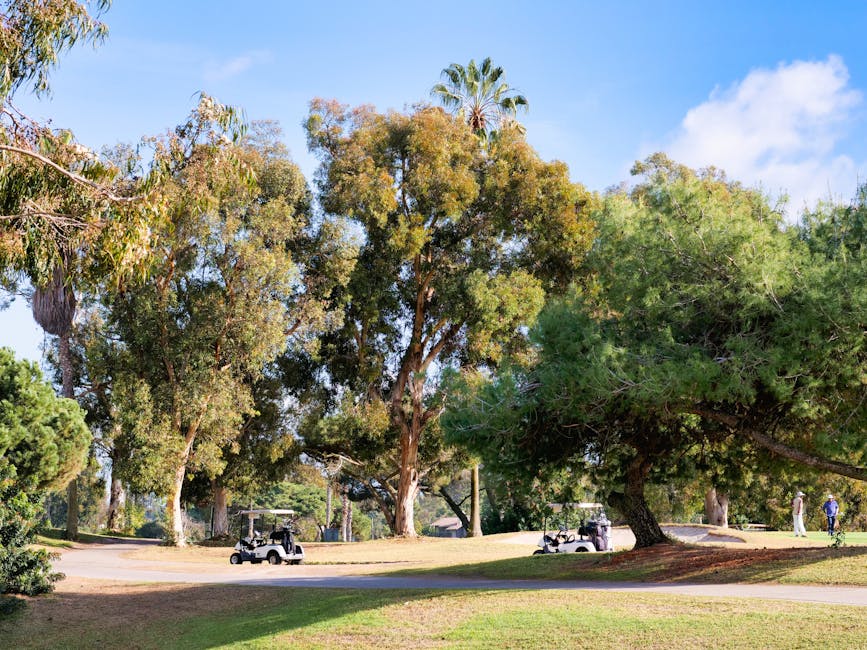
Green spaces aren't luxuries—they're essential for physical health, mental wellbeing, and community life. Yet across the UK, parks, fields, and woodlands are under pressure from development. In Broxtowe, protecting our green spaces requires active local engagement and strong council representation.
Local councils decide planning applications. When a developer proposes building on green land, the council must weigh economic benefits against environmental and community impact. This is where residents can influence decisions. If you object to a planning application affecting local green space, submit a formal objection to the council. These are considered during the decision-making process.
The Liberal Democrats support sustainable development that doesn't sacrifice our natural environment. We believe brownfield sites (already-developed land) should be prioritised over green spaces. We also support stronger protections for local nature reserves and community gardens.
Get involved locally. Join or start a campaign group. The Broxtowe Green Party, local nature conservation groups, and community associations all work to protect local spaces. These groups have real influence because they represent organised constituents.
Know your rights. Residents can request a "local green space" designation, which gives extra protection to valued community areas. You can also attend planning committee meetings where applications are debated. Public speaking slots are usually available.
Support councillors who prioritise environmental protection. Ask candidates about their green space policies before voting. At every election, these issues matter.
Climate change makes green spaces even more important. Trees absorb carbon, parks reduce flooding risk, and natural spaces help us adapt to hotter summers. Protecting green space is part of tackling climate change.
Finally, use the spaces you have. Local parks need community support to thrive. Visit them, volunteer for maintenance, and show that these spaces are valued. Politicians are more likely to protect spaces that communities clearly care about.