The Case for Proportional Representation in UK Elections
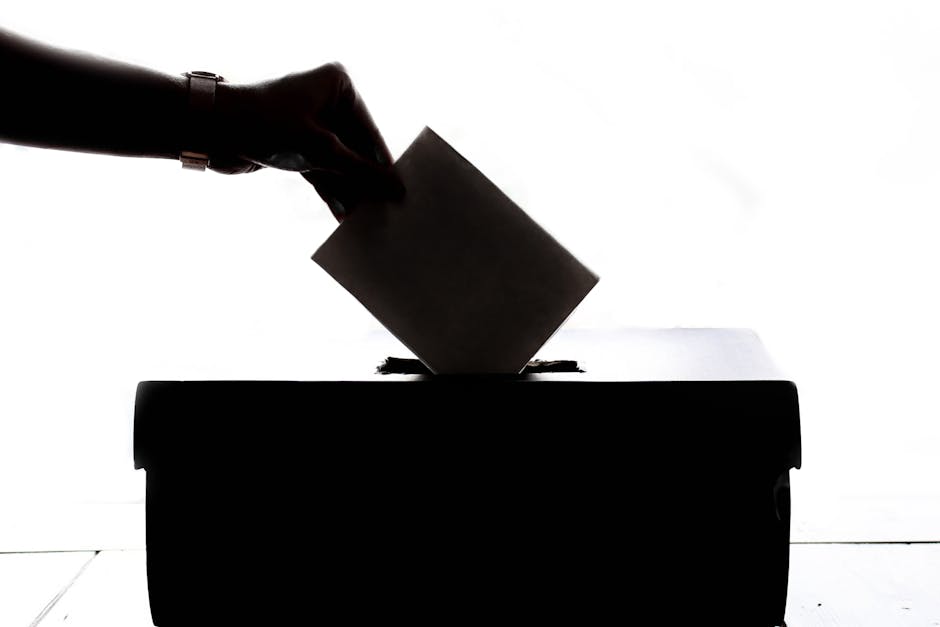
Our current voting system—first-past-the-post—is simple, but it's not fair. Millions of votes are "wasted" because they don't contribute to any seat being won. This means Parliament often doesn't reflect what voters actually want. The Liberal Democrats believe it's time for change.
Under proportional representation, seats in Parliament would be distributed according to the votes each party receives. If a party gets 20% of the vote, it gets roughly 20% of the seats. This is how most other European democracies work, and it produces more representative parliaments.
Consider this: in recent elections, the Green Party and Reform UK have together received millions of votes but won very few seats. Meanwhile, safe seats mean some MPs face no real competition. Many voters feel their vote "doesn't count," which is why turnout suffers.
Proportional representation would change this. More people would feel their vote matters. Parliament would need to form coalitions or work across party lines, which means compromise and consensus-building. Some argue this slows things down, but others see it as more democratic—big changes would need broader support.
The Liberal Democrats have long championed electoral reform. We've seen how PR works in Scotland and other parts of the UK. It encourages cooperation and means smaller parties with genuine support can have a voice in Parliament.
Of course, change is never simple. Some worry about stability or the complexity of proportional systems. But the current system has problems too: it can produce governments that most voters didn't vote for, and it discourages people from voting for smaller parties even if they agree with them.
Electoral reform is a long-term campaign. It requires public support and political will. But as frustration with our political system grows, more people are asking whether there's a better way. Proportional representation offers one answer.
What matters most is that you engage with this debate. Think about what fairness means to you in voting, and make your voice heard.